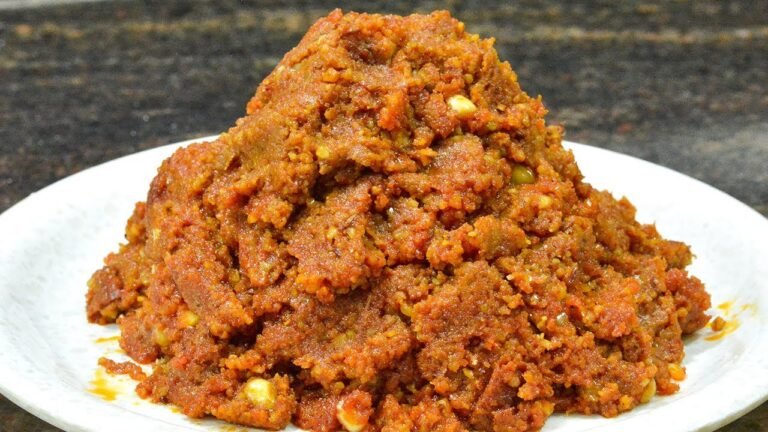


Hello friends, and welcome to the ultimate guide on making a complete Maharashtrian Puran Poli Thali Recipe! If you are craving authentic Indian festive food, you are absolutely in the right place. Puran Poli is a classic, melt-in-the-mouth sweet flatbread stuffed with a delicious filling made from chana dal (Bengal gram) and jaggery. It is the true heart and soul of Maharashtrian cuisine, specially prepared during auspicious festivals like Holi, Gudi Padwa, and Diwali.
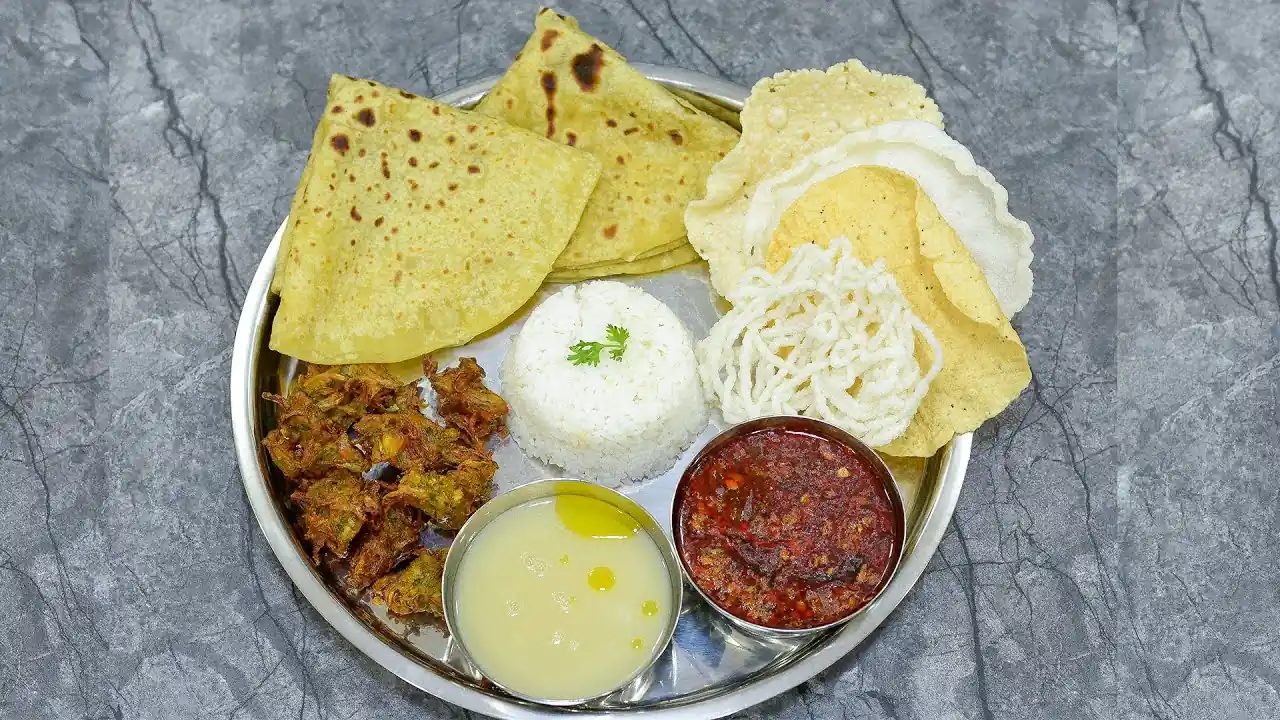
However, a true festive experience is totally incomplete without the full thali! This beautiful traditional platter features the sweet Puran Poli served with a generous pour of desi ghee, alongside a spicy and tangy Katachi Amti (a flavorful lentil soup made from the leftover dal stock). To balance the flavours, we also serve sweet Gulawani, crispy Kanda Bhaji (onion fritters), crunchy fried Kurdai or Papad, and fluffy steamed white rice. While preparing an entire feast might seem like a huge task for beginners, this step-by-step Maharashtrian Puran Poli Thali Recipe makes it incredibly simple, easy, and fun to follow. Let us dive right into the wonderful world of authentic Maharashtrian flavours!
Also Read – Satara Special Shengadana Mhadya | Satara Special
Ingredients List:
- For the Puran (Sweet Stuffing):
- 300 grams Chana Dal (Split Bengal Gram)
- 200 to 250 grams Jaggery (Gud), grated or finely chopped based on your sweetness preference
- 1/2 teaspoon Cardamom and Nutmeg powder (Velchi Jaiphal pood)
- 1/4 teaspoon Turmeric powder (Haldi)
- 1 tablespoon Cooking Oil or Ghee
- A small pinch of Salt
- Warm water for boiling the dal
- For the Poli (Outer Dough / Kanik):
- 2 cups Whole Wheat Flour (Atta) – You can optionally use 1 cup wheat flour and 1 cup All-Purpose Flour (Maida)
- 1/4 teaspoon Turmeric powder (gives the poli a beautiful golden colour)
- A tiny pinch of Salt
- 3 tablespoons Desi Ghee or Cooking Oil
- Normal water as required for kneading
- For the Katachi Amti (Spicy Lentil Soup):
- Dal Stock (Yelavni) extracted from the boiled chana dal
- 1 tablespoon boiled chana dal (mashed slightly, used for thickening)
- 2 medium Onions, roasted directly on the open gas flame
- 1 small piece of Dry Coconut, roasted on the flame
- 1 whole Garlic bulb (peeled cloves)
- A handful of fresh Coriander leaves
- 2 tablespoons Cooking Oil
- 1/2 teaspoon Mustard Seeds (Rai)
- 1 teaspoon Cumin Seeds (Jeera)
- 10-12 Fresh Curry Leaves (Kadi Patta)
- 2 pinches of Asafoetida (Hing)
- 1.5 teaspoons Kolhapuri Masala (or your favourite spicy red chilli masala)
- 1/2 teaspoon Garam Masala
- 1/4 teaspoon Turmeric powder
- Salt to taste
- For the Kanda Bhaji (Crispy Onion Fritters):
- 2 medium Onions, sliced thinly lengthwise
- 1 teaspoon freshly crushed Ginger-Green Chilli-Garlic paste
- 2 to 3 tablespoons Gram Flour (Besan) – adjust carefully based on the moisture
- 1/4 teaspoon Turmeric powder
- 1/2 teaspoon Red Chilli powder
- 1/2 teaspoon Carom Seeds (Ajwain), gently crushed by hand
- 2 pinches of Asafoetida (Hing)
- Freshly chopped Coriander leaves
- Salt to taste
- Oil for deep frying
- For the Steamed Rice (Sada Bhaat):
- 1 cup White Rice (Regular rice or any short-grain rice works perfectly)
- Water (measured exactly two fingers above the rice level in the pot)
- 1/2 teaspoon Salt
- 2-3 drops of Cooking Oil (for a non-sticky, fluffy texture)
- For the Gulawani (Sweet Jaggery Water):
- 1 glass of Water
- 3-4 tablespoons Grated Jaggery (adjust to your taste)
- A pinch of Cardamom-Nutmeg powder
- Accompaniments:
- Fried Kurdai (Traditional wheat string papad)
- Fried Rice Papad or Jowar Papad
- A generous amount of pure Desi Ghee for serving
- Cold Milk (optional, traditionally eaten with Puran Poli)
Step-by-step Instructions:
- Step 1: Preparing and Boiling the Chana Dal:
- Start by washing 300 grams of chana dal two to three times under clean running water.
- Transfer the thoroughly washed dal to your pressure cooker.
- For every one cup of dal, add about two cups of slightly warm water.
- Add half a teaspoon of oil and a pinch of turmeric powder.
- The oil ensures the water does not froth out of the cooker whistle.
- Close the lid tightly and cook on medium heat for exactly four whistles.
- If your stove heat is very low, you can allow five whistles.
- Once done, let the pressure cooker cool down naturally.
- Step 2: Kneading the Perfect Dough (Kanik):
- While the chana dal is pressure cooking, prepare the dough for the Puran Poli.
- Sift two cups of whole wheat flour into a large mixing bowl.
- Add a pinch of salt, a pinch of turmeric, and two tablespoons of melted desi ghee.
- Mix the ghee thoroughly into the flour using your fingers.
- Slowly pour in water, little by little, and start kneading.
- The dough needs to be extremely soft, stretchy, and pliable.
- If it feels sticky, apply a little oil to your hands and continue kneading.
- Add another small spoonful of ghee or oil at the end and knead until completely smooth.
- Cover the dough and let it rest for at least 30 minutes.
- Step 3: Extracting the Dal Stock (Yelavni):
- Once the cooker has cooled, open the lid.
- To extract maximum flavoured water for our spicy Katachi Amti, pour a little warm water into the cooked dal and bring it to a very quick boil on the stove.
- Place a large strainer over a deep pot and pour the boiled dal into it.
- The thick, yellowish water that collects in the pot below is called ‘Yelavni’.
- Keep this water aside, and let the chana dal sit in the strainer so all excess water drains out perfectly.
- Step 4: Making the Sweet Puran Stuffing:
- Transfer the strained, dry chana dal to a heavy-bottomed pan. Turn the stove heat to medium.
- Add 200 to 250 grams of grated jaggery into the dal and stir continuously.
- As the jaggery melts, the mixture will temporarily become slightly watery.
- Keep stirring and mashing the dal with the back of your spatula.
- Add a pinch of salt, turmeric, and half a teaspoon of crushed cardamom and nutmeg powder.
- Cook until the mixture thickens up and forms a solid dough-like mass that easily pulls away from the pan.
- Turn off the heat. While it is still warm, press this mixture through a fine wire mesh strainer using a bowl.
- This trick gives you an incredibly smooth, lump-free sweet puran!
- Step 5: Preparing the Spicy Katachi Amti:
- Roast the whole onions and the dry coconut piece directly over an open gas flame until they develop a charred, smoky exterior.
- Using a mortar and pestle, thoroughly crush the roasted onion, roasted coconut, peeled garlic cloves, and fresh coriander into a fine rustic paste.
- Next, heat two tablespoons of oil in a pot. Add mustard seeds and let them pop.
- Add cumin seeds, fresh curry leaves, and asafoetida.
- Add your freshly ground onion-coconut paste and sauté until the oil separates.
- Mix in turmeric, Kolhapuri masala, and garam masala.
- Now, pour in the reserved dal stock (Yelavni).
- Add one tablespoon of the mashed boiled chana dal to thicken the soup slightly.
- Season with salt, add fresh coriander, and let it come to a rolling boil.
- Your spicy Katachi Amti is ready!
- Step 6: Making the Sweet Gulawani:
- In a small saucepan, bring one glass of water to a boil.
- Add the grated jaggery and a pinch of cardamom-nutmeg powder.
- Let it boil gently until the jaggery completely dissolves into the water.
- Strain it into a serving bowl.
- Step 7: Cooking the Perfect Fluffy Rice:
- Wash one cup of rice thoroughly. Place it inside a pressure cooker.
- Pour water until the level is exactly two fingers above the rice surface.
- Add half a teaspoon of salt and two to three drops of oil.
- The oil ensures every single grain remains separate. Cook on medium heat for four whistles.
- Step 8: Frying Kanda Bhaji and Accompaniments:
- In a mixing bowl, separate the thin onion slices using your hands.
- Add the crushed ginger-green chilli-garlic paste, salt, turmeric, red chilli powder, carom seeds, asafoetida, and fresh coriander.
- Mix very well with your hands until the onions naturally release their own moisture.
- Do not add any extra water! Bind the mixture by adding just enough besan (gram flour) to lightly coat the onions.
- Heat oil in a deep kadhai. First, fry your Kurdai and papads until puffy, and set them aside.
- In the same hot oil, drop small bite-sized clusters of the onion mixture.
- Fry on medium heat until they are golden brown and super crispy.
- Step 9: Rolling and Roasting the Puran Poli:
- Take a small lime-sized portion of the rested dough and knead it briefly.
- Take a slightly larger portion of the sweet puran stuffing.
- Flatten the dough portion into a small cup shape using your fingers.
- Place the sweet puran ball right inside.
- Gently bring the edges of the dough upwards to seal the stuffing completely inside.
- Dust the stuffed dough ball with dry wheat flour.
- Using a rolling pin, roll it out gently and evenly into a thin circle.
- Heat a flat tawa on medium heat. Place the rolled Puran Poli on the hot tawa.
- Once small bubbles appear, quickly flip it over.
- Apply generous amounts of desi ghee on both sides and roast until beautiful golden spots appear. Serve hot!
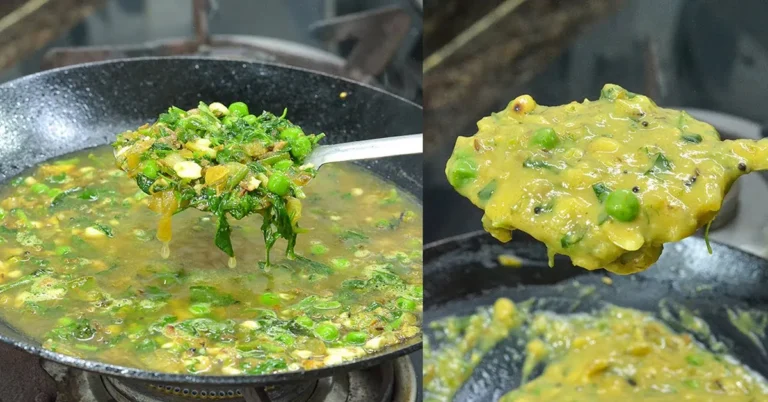
Also Read – Maharashtrian Pithle Recipe: Spicy Methi Matar Besan Curry
Cooking Tips for Better Results:
- Ensure your boiled chana dal is completely drained of all water before adding the jaggery. Excess moisture will make the puran runny and very difficult to stuff and roll.
- If your sweet puran accidentally becomes too thin, simply add a spoonful of roasted besan (gram flour) to it and cook for another two minutes on low heat to easily absorb the extra moisture.
- Always apply a little oil to your hands before kneading the dough. This prevents the flour from sticking to your fingers and creates a highly elastic dough.
- For the kanda bhaji, relying entirely on the onion’s natural juices instead of adding water guarantees a crunchy texture that stays crispy for hours.
Variations:
- Vegan Version: Make this recipe entirely vegan by swapping out the desi ghee for a neutral cooking oil or vegan butter during the dough kneading and roasting process.
- Kids-Friendly Version: Reduce the amount of Kolhapuri masala and red chilli powder in the Katachi Amti to keep the spice levels mild for children.
- Sugar instead of Jaggery: While traditional Maharashtrian Puran Poli uses only jaggery, you can use a 50-50 mix of refined sugar and jaggery if you prefer a different sweetness profile.
- Spicy Garlic Amti: For those who love fiery flavours, increase the Kolhapuri masala and add a hot oil tempering of dry whole red chillies and crushed garlic on top of the Katachi Amti.
Serving Suggestions:
Serving a Maharashtrian Puran Poli Thali is all about the beautiful arrangement. Take a large traditional plate. Place small bowls for the hot Katachi Amti and the sweet Gulawani. Serve a neat mound of fluffy steamed rice, ready to be mixed with the Amti. Place the crispy Kanda Bhaji, fried Kurdai, and papad neatly on one side of the plate. Finally, place the hot, soft Puran Poli right in the center. Drizzle a very generous spoonful of hot desi ghee directly over the Puran Poli. For an authentic touch, serve a small bowl of cold milk alongside it. Enjoy this heavenly meal with your family!
FAQs:
Q1: Can I store leftover Puran stuffing for later use?
Ans: Absolutely! You can store the cooked and cooled sweet puran in an airtight container in the refrigerator for up to a week. When you want to make fresh polis, simply let it come to room temperature first.
Q2: Why does my Puran Poli break while rolling?
Ans: Puran Poli usually breaks if the outer dough is too stiff or if the sweet stuffing has large, unmashed lumps. Make sure your dough is very soft, and your puran is completely smooth.
Q3: What exactly is Yelavni?
Ans: Yelavni is the nutrient-rich, flavorful water that is strained out from the boiled chana dal. It forms the perfect base for the spicy Katachi Amti.
Q4: Can I use only whole wheat flour without adding maida?
Ans: Yes! You can easily make 100% whole wheat Puran Poli. Just ensure you knead the dough really well with a little oil and water until it becomes incredibly stretchy.
Q5: How can I keep the Kanda Bhaji crispy for a longer time?
Ans: The big secret to long-lasting crispiness is avoiding water. Mix the onions with salt and spices so they release their own water, and add just enough besan to bind them.