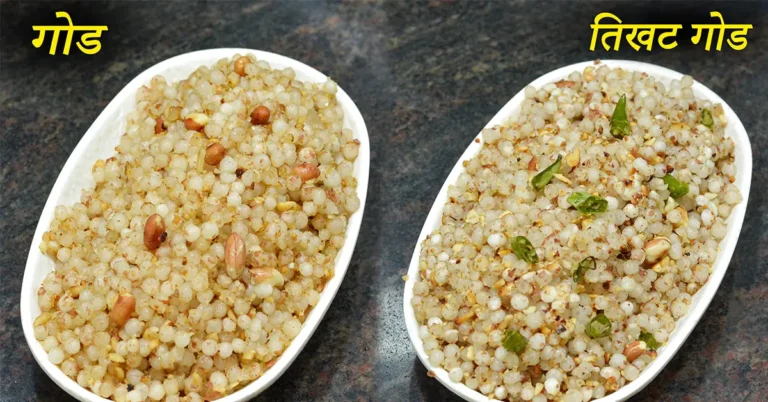


Have you ever tried to make Sabudana Khichdi for a fast, only to have it turn into a sticky, gloopy mess? You are not alone! The secret to the perfect, non-sticky, and fluffy Sabudana Khichdi isn’t actually in the cooking—it lies entirely in the preparation. Many home cooks struggle with getting that restaurant-style separate pearl texture because of incorrect water ratios or using the wrong type of sago.
In this guide, we break down the expert method to select, wash, and soak Sabudana (Sago) correctly. This technique ensures that every single pearl remains separate, soft, and fluffy. Whether you are prepping for a nutritious breakfast or a religious fast (Upvas), mastering this soaking method is the first step to delicious Sabudana Vada, Thalipeeth, or Khichdi. Say goodbye to mushy sago forever with these simple tips!
Also Read – Upvas Paneer Gravy: Fasting-Friendly & Flavour-Packed
Ingredients:
- Sabudana (Sago Pearls): 1 cup (Preferably “Old” variety, which has a creamier colour).
- Water: Enough for washing and soaking (approximately 3/4 to 1 cup).
Step-by-Step Instructions:
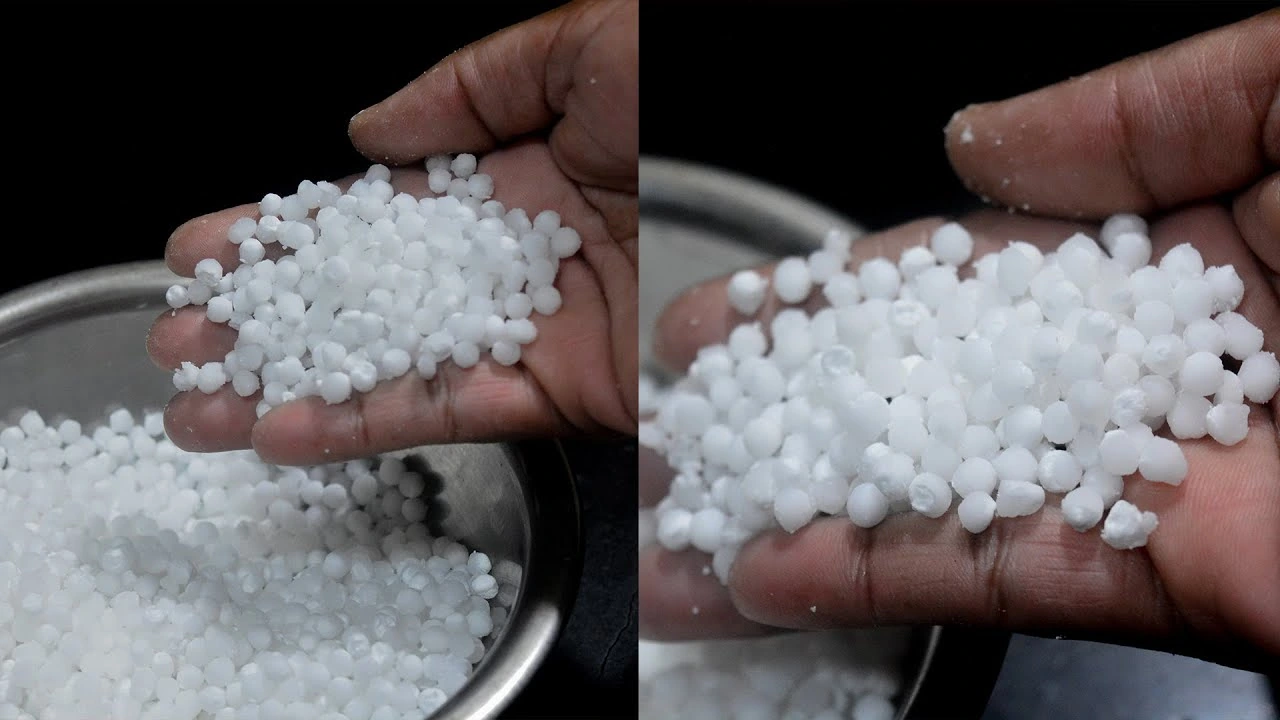
- Choose the Right Sabudana: Inspect your sago. “New” Sabudana is bright white and smooth but tends to get sticky. “Old” Sabudana is slightly off-white or cream-colored and holds its shape better. Use the “Old” variety if available.
- Wash Thoroughly: Place the Sabudana in a large bowl. Add water and gently rub the pearls between your fingers to release excess starch.
- Rinse Repeatedly: Drain the cloudy water. Repeat the washing process 2 to 3 times until the water runs relatively clear. This step is crucial to prevent stickiness.
- Drain Completely: After the final wash, drain all the water from the bowl.
- Add Soaking Water: Pour fresh water into the bowl. The water level should be just barely above the Sabudana pearls (approximately 1/4 inch or just submerging them).
- Adjust for Variety: If using “New” Sabudana, use slightly less water as it absorbs moisture quickly. For “Old” Sabudana, a standard submersion is fine.
- Rest Overnight: Cover the bowl with a lid and let it soak for 7 to 8 hours (or overnight).
- Fluff and Check: The next morning, press a pearl between your thumb and finger. It should mash easily without a hard white center. Fluff the pearls with a fork, and they are ready to cook!
Also Read – Master Fasting Flatbreads & Chutney: You Won’t Believe How Easy!
Cooking Tips for Better Results:
- The “One-Knuckle” Rule: A common kitchen trick is to ensure the water level is just at the first line of your finger tip above the sago, but for best results, simply ensuring they are just submerged is safer.
- Don’t Overfill: Adding too much water is the #1 reason for mushy Khichdi. It is better to use less water and sprinkle some later if needed than to drown them initially.
- Starch is the Enemy: If you skip washing the sago thoroughly, the leftover starch powder will turn into a glue-like paste when heated.
- Strain if Needed: If you accidentally added too much water and find standing water in the bowl the next morning, drain the Sabudana in a colander for 15-20 minutes before cooking.
Variations:
- For Sabudana Vada: You can afford to have the sago slightly softer (a tiny bit more moisture) since you will be mashing it with potatoes to bind the vadas.
- Kids-Friendly Sweet Version: Instead of savoury Khichdi, use these fluffy pearls to make Sabudana Kheer or a sweet pudding with milk, sugar, and cardamom.
- Quick Version: If you are in a rush, soaking in hot water can reduce the time to 2-3 hours, though the texture may not be as perfect as the overnight method.
Also Read – Crispy Sabudana Thalipeeth: Your New Fasting Favourite
Serving Suggestions:
- Since this guide produces the perfect raw material, here is how to serve the final dishes:
- Sabudana Khichdi: Sauté with ghee, cumin, green chillies, and roasted peanut powder. Serve hot with a bowl of fresh yogurt (curd) or a wedge of lemon.
- Sabudana Thalipeeth: Mix the soaked sago with mashed potato, chilli, and coriander, flatten into pancakes, and roast in a pan. Serve with green chutney or ketchup.
FAQs:
Q1: Why is my Sabudana sticky after soaking?
Ans: This usually happens because of two reasons: either the starch wasn’t washed off properly, or too much water was added during soaking. Ensure you rinse until the water is clear.
Q2: How much water do I need for 1 cup of Sabudana?
Ans: You generally need about 3/4 cup to 1 cup of water. The visual rule is best: pour water until it just covers the surface of the pearls, then stop.
Q3: Can I soak Sabudana for just 2 hours?
Ans: It is not recommended for Khichdi. Sago needs time to absorb moisture to the center. 2 hours might leave the center hard and uncooked. 7-8 hours is ideal.
Q4: What is the difference between Old and New Sabudana?
Ans: New Sabudana is stark white and dissolves/sticks easily. Old Sabudana is cream-colored and robust, making it perfect for non-sticky Khichdi.
Also Read – Make Perfect Sabudana Khichdi: Easy & Delicious (Fluffy & Non-sticky)
How to Soak Sabudana for Perfect Non-Sticky Khichdi

Ingredients
- Sabudana Sago Pearls: 1 cup (Preferably “Old” variety, which has a creamier colour).
- Water: Enough for washing and soaking approximately 3/4 to 1 cup.
Instructions
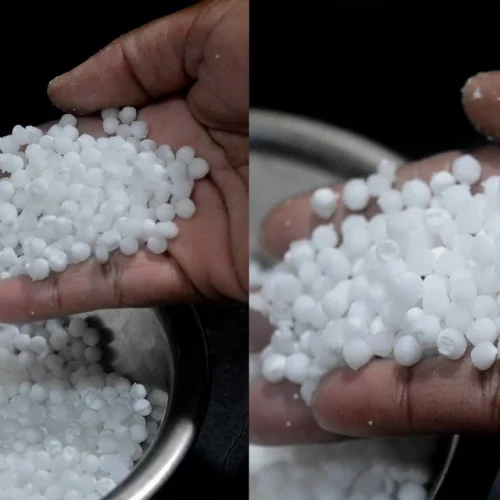
- Choose the Right Sabudana: Inspect your sago. "New" Sabudana is bright white and smooth but tends to get sticky. "Old" Sabudana is slightly off-white or cream-colored and holds its shape better. Use the "Old" variety if available.
- Wash Thoroughly: Place the Sabudana in a large bowl. Add water and gently rub the pearls between your fingers to release excess starch.
- Rinse Repeatedly: Drain the cloudy water. Repeat the washing process 2 to 3 times until the water runs relatively clear. This step is crucial to prevent stickiness.
- Drain Completely: After the final wash, drain all the water from the bowl.
- Add Soaking Water: Pour fresh water into the bowl. The water level should be just barely above the Sabudana pearls (approximately 1/4 inch or just submerging them).
- Adjust for Variety: If using "New" Sabudana, use slightly less water as it absorbs moisture quickly. For "Old" Sabudana, a standard submersion is fine.
- Rest Overnight: Cover the bowl with a lid and let it soak for 7 to 8 hours (or overnight).
- Fluff and Check: The next morning, press a pearl between your thumb and finger. It should mash easily without a hard white center. Fluff the pearls with a fork, and they are ready to cook!